

I have a bit of a love-hate relationship with houseplants. My grandmother had a green thumb, and I love having beautiful plants in my apartment. Like many people, I’ll walk into a garden center and find the most beautiful, lush, vibrant plant on the shelf. Its leaves are overflowing the pot, it’s bursting with color, and I picture exactly where I’m going to put it in my apartment. I bring it home convinced that this time I’ll keep it alive. And then… a few months later, it dies.
I had the best of intentions. I wanted that plant to have a home, not be some anonymous weed in the garden center. So I watered it when I thought it looked thirsty, and I moved it when I thought it needed more sun. I desperately wanted it to thrive.

But there were a few problems. Beyond reading the little tag on the pot, I didn’t really know how to care for it. Also, I travel a lot. No matter how much I care about that plant, there are simply stretches of time when I can’t be there to tend it. There’s another problem too: Garden centers aren’t actually trying to grow a plant that will thrive in your home for years. Their goal is to sell you a plant that looks incredible the day you buy it. To accomplish that, they often over-fertilize plants, crowd multiple plants into a single pot to make them appear fuller, and create ideal greenhouse conditions that simply don’t exist in your living room. The plant was cultivated to look beautiful today, not necessarily to flourish in its next environment. My houseplants die because both the store and I are focused on the present: the plant that comes home with me today. Neither the store nor I are planning for the future life of that plant.
I think about that often when I think about missions and global development. Most people enter global health, international development, orphan care, short-term missions, or humanitarian work because they genuinely want to help. They see suffering and want to respond. They want to heal the sick, help the orphan, serve the local church, alleviate poverty, and share the hope they’ve found. They volunteer, donate, travel, mentor, build, teach, and give because they genuinely want to make the world a better place.
We are often spurred to action by the emotional response we feel when we witness someone’s current situation. Compassion moves us quickly, and that instinct to respond is good. But when our actions are driven primarily by emotion, they can focus more on relieving what we see in the moment than on building toward the future we hope for. Like me taking that little houseplant home without a plan to care for it, we seek to alleviate the suffering of others without creating the conditions for long term development. Like the garden center, it’s possible to create something that looks impressive today without considering whether it will thrive tomorrow.
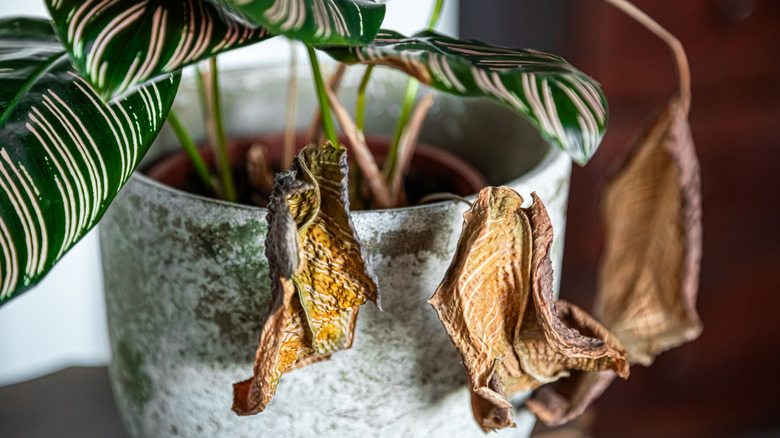
If I’m going to have a houseplant that survives, I have to learn. I have to understand what kind of plant it is, how much light it needs, how often it should be watered, what kind of soil it prefers–in short, what environment it was created for. In other words, my desires have to be accompanied by learning and humility. I can’t assume I can keep a plant alive just because I care.
I also have to realize that what is best can feel counterintuitive. A plant that has been over-fertilized in a greenhouse may look spectacular today, but continuing to pour fertilizer on it will not help it survive in the long run. Sometimes helping it thrive means repotting it, separating overcrowded roots, or letting some parts of it die so new growth can come through. For a while, it may even look worse before it becomes healthier. And lastly, because I am not always home, no matter how much I care about a plant, there are weeks when I’m simply not home to water it. If that plant depends entirely on me, eventually it will be all brown leaves.
The same is true in mission. We’ve learned that caring isn’t enough if our actions unintentionally create dependency. We’ve learned that generosity without partnership can undermine local leadership. We’ve learned that doing something quickly isn’t always the same as doing something well. The action that brings the quickest sense of relief or accomplishment isn’t always the one that leads to lasting transformation. Intention asks us to think beyond today’s reality and consider tomorrow’s possibility. If our work depends on the continual presence of outside visitors, outside funding, or outside leadership, then we haven’t created something that can flourish. Lasting impact comes when local people—the ones who are there every day—have the knowledge, resources, authority, and ownership to care for what has been entrusted to them. So now we have to ask:
How do we build mission that matters?
These are the conversations we’ll have at Rising Tides. Together, we’ll wrestle with questions of partnership, local leadership, systems strengthening, sustainable development, ethical engagement, and how to prepare the next generation for thoughtful global service. Not because we have all the answers, but because we believe the future of missions is shaped by people who are willing to keep asking better questions.
Whether you’re a student wondering how your career fits into global work, a healthcare professional preparing for your first international experience, a church planning its next mission trip, or an NGO leader asking how your organization can continue to grow, Rising Tides is an invitation to think intentionally.
Because changing the world isn’t just about having a heart to serve. It’s about cultivating the kind of future where people, communities, and local leaders can truly flourish.
That’s mission that matters.

Ready to take the next step? Join us at Rising Tides: Mission That Matters May 20-25 and discover practical tools, meaningful relationships, and fresh perspectives that will help you serve with greater wisdom, partnership, and purpose.
Discover more from Rising Tides - HCW
Subscribe to get the latest posts sent to your email.
Well written and so true, Yasmine! This is an issue our organization needs to start considering more seriously. We need to ask ourselves, “What happens to our patient communities if GBHF goes away? How can MN continue to thrive without us?”
I look forward to more conversations on this topic.
Jim